The Freedom Rolling Blog
ANNOUNCING TRIP NUMBER 0
We have everything planned out, and the heart of our adventure comes soon, so now it's time to announce the trip. For those with some experience with this, you guessed it, it's our shakedown!
Yes, that's why it's going to be trip zero instead of one. The trip will be a shakedown near our current home. This will give us a chance to try it all out. We'll want to make sure everything in the rig works, using the various modes available. This adventure isn't going to go very far, just in case we need to enact something on the limited warranty. Packing what we need and setting up what we anticipate as has been detailed in this blog, we'll head to an undisclosed location and live for a bit. Heading back, that'll give us time to adjust what we do or don't need, and then we're off on our first real adventure, which we'll be telling you about in the coming weeks.
The packing process is going to be arduous. One tip about this is to try to find some family that will help you store your belongings. Even if you have to rent a small storage shed for a while; the last thing you want to do is to throw everything out. When you get rid of something, you may find that you'll need it later, or it's a family heirloom, and you'll regret tossing it. Obviously you shouldn't be a complete pack rat; you'll probably find some things you definitely don't want. However, don't feel like you have to give it all up. There are reasonable storage sheds out there, and if you find you really didn't need it after a while, you can always have a shed sale. That's similar to a yard sale, but you'd sell what's in the shed.
With the shakedown just days away, remember to follow your internal compass.
WRITTEN May 10, 2021 at 04:00 PM
TAGS: trip 0
SHARE: Facebook Twitter Email
Freedom Rolling Q&A
We're back again with another session of questions and answers!
- Do you have any experience with RVs or camping?
We sure do! Individually, she spent a great deal of time traveling with a trucker in the family, and also with the family campers and tents. Although he spent a good deal of time living the city lifestyle, he brings experiences of car camping and long road trips with him. Together, we've taken several camping road trips documented in this blog's "Before the RV" mini-series, and as we learn more and more, we're taking our big leap into full-time RV living.
- How is the dog going to be, and are you nervous bringing her?
Bringing our fur baby is certainly going to be a challenge. First, we have to make sure that we go places that are pet friendly, or that we're able to leave her with the trailer as we venture out. Secondly, although places may be pet friendly, a number of the managers have a prejudice against certain breeds of dog, especially our lovable pup's breed, the pit bull. Although she isn't violent, the stigma has been created that may further restrict us. However, she is an integral part of this family, and we believe our travels will work out with her just fine.
- What does "Follow your internal compass" mean?
It is very simple why this tag line stuck. We are finally doing what our hearts have been wanting us to do. So, we consider the heart the compass of our body and soul. We also need a compass in traveling to know where we are going. It just works, and we feel that everyone should follow their heart.
We'll be answering more questions as we receive them. Remember to leave a comment if you have a question you'd like answered, and as always, follow your internal compass.
WRITTEN May 08, 2021 at 08:30 PM
TAGS: qna
SHARE: Facebook Twitter Email
Internet Connectivity
In today's world, it seems like the internet is used for everything, from research, to shopping, even to reading this article. However, so many have taken for granted the connectivity within traditional houses and the grid of large cities. How would someone RV living be able to cope?
A number of private campgrounds have been equipped with wi-fi service. This is one service that is not very reliable. Not only do you have to have yourself be close to a repeater, but you also have to compete with the other campers that want to use the signal. If you've ever been to a major outdoor event, whether it be a fair, rally, or maybe a concert, you've probably noticed that your connectivity isn't very fast, and it's no different when at the campground. Sometimes, the place is even more remote, such as a more rural campground or a National Park, where there's no wi-fi at all. So if you require connectivity for something like a telecommuting job while in your RV full-time, you need a better option.
Many people have cell phones with data plans. This can also be a good choice, but again, you are beholden to repeater towers. Remember that very rural areas aren't going to have cell phone towers, so you won't be able to get 4G, or sometimes even telephone service. If you're going to go the cell phone route, you'll also want to make sure that you have features available, such as being a wi-fi hot-spot for your family's laptops. A file server for important information can be a godsend, but you have to be able to access it. In our experimentation, we've found that Apple likes to charge for a lot of these basic features that are offered complimentary by the Android operating system. Maybe a router that's only for a Local Area Network (LAN) would be for you, while having the cell phone be the central point for outside access.
One up-and-coming technology in BETA at the time of writing this, but could be useful in the near future, is Starlink. This is a constellation of satellites in low-earth orbit that provide internet connectivity. This is different from traditional satellite media and internet services. Those satellites are in a geostationary orbit, meaning it's always at the same point in the sky any time of day. You'd be spending a lot of time orienting the dish, and then latency is very high because of how far the signal has to travel. Starlink has its satellites much closer to Earth in a lower orbit, with its receiver constantly self-adjusting to pick up a satellite in the sky. There are some questions with regards to weather for satellite internet, which has always been an issue for traditional satellite services, and is something being tested in the BETA. However, once publicly available, full-timers may ditch their data plans for Starlink.
Perhaps you’re one that doesn’t need to be streaming the latest episode of a television show, and just want to do some quick business? One possibility is to go into a nearby town. Public libraries almost always have wi-fi available to their patrons as a public service. Coffee shops and restaurants are also a possibility. Always be careful about using a public wi-fi, because anyone can see your information, especially if you’re doing something sensitive, such as online banking. You’ll want to stick to a cell phone, or have access to a Virtual Private Network (VPN) that will encrypt what you do on the web.
No matter where you go, or what you do, there are going to be options for you to stay connected. This should give you peace of mind in your affairs as you follow your internal compass.
WRITTEN May 07, 2021 at 06:00 PM
TAGS: rv living
SHARE: Facebook Twitter Email
Planning your Route and Destination
Your trailer is packed, you're ready to go... but where? And how can you make sure you get there safely and in a timely manner? Here's some tips for you on how to plan your destinations and route.
The first, and probably most important thing, is to know your limits of how much you and your traveling companions can drive in a day. Take some drive-around road trips. Make one part of your first "shakedown" adventure. You may have been able to once drive from one coast to the other in a day and a half, but with a trailer and a family, that probably won't happen. Even with car camping, we've found our limit to be 900 miles in a day. This is something you'll have to measure on your own. Remember that the specific route also needs to be taken into account, as traffic in a major city, such as Chicago, Seattle, or Washington DC, will slow you down. Peak traffic times, such as holiday weekends and rush hour need to be considered. Put in some contingency time. You can always boondock at a rest area if you're early, but you'll lose money, and potentially a reservation, if you're late.
Speaking of reservations, if you're going to be staying at campgrounds or National Parks, you're going to need a reservation. Try to figure out the upcoming season in advance, and get a basic idea of your route that way. Holidays book up quickly, so you may want to use that time to visit some family or friends. Maybe consider booking weekly or monthly to take advantage of better rates, or apply for some work-camping jobs through a month or season. Cancellations are going to happen to open up some sites, but you can't always depend on that. Sometimes you may want to boondock on public lands, but be aware that those sites are first come, first serve, so be sure to have a backup plan. Give yourself plenty of time to get from place to place, and maybe you'll want to check out something along the way. Flexibility is always a good thing.
The concept of a "boondock" has been mentioned a few times. This is where you stay for free without utilities at a given location. Sometimes, this is done on public land, such as a National Forest. If it's an overnight rest, there are some other options. Wal-Mart has been known for offering free overnight parking at many of its locations. This is assuming they own the land, and there isn't a city ordinance to prohibit doing so. This trick is something that car campers will typically use as well. There are a few things to keep in mind, though:
- Make sure it's only for the one night and you're back on the road the next morning.
- Only park; don't set up furniture, structures, or slide-outs.
- Go in and buy something, as they're more apt to help you with your needs if you're a customer.
- Follow all laws, regulations, and management instructions, including being able to leave at a moment's notice if asked to do so.
There are a few other places known to offer this service, such as Cracker Barrel, Cabela's, some truck stops, and self-parking areas at some casinos. The same guidelines apply to these other places. There are plenty of apps and websites dedicated to boondock parking, such as Walmart Atlas.
You don't have to kiss us, nor smile for us, but we certainly hope these tips will help you in planning your next adventure. Remember to follow both your internal and external compasses.
WRITTEN May 06, 2021 at 07:31 PM
TAGS: rv living, travel
SHARE: Facebook Twitter Email
Travels Before the RV: Franconia Notch and the White Mountains
Most of us, when we take stock of ourselves, find that we have a “special place” where we like to go. It may be a city, a business, or even a parcel of nature. We here at Freedom Rolling have a special place where we have visited every year, and is one we hope to continue visiting for years to come: Franconia Notch State Park in New Hampshire.
Located along Interstate 93 and US Route 3, Franconia Notch State Park is a nature reserve in the White Mountains of New Hampshire along the Pemigewasset River. Some of its features include Cannon Mountain, Echo Lake, Flume Gorge, Lonesome Lake, and the Basin. It was also once home to the “Old Man of the Mountain”, a unique rock formation shaped like a man’s face. This formation has since collapsed, but a historic site dedicated to this once-standing formation continues to exist. The famous Appalachian Trail runs through part of Franconia Notch, making it a destination for drivers and hikers alike.
Franconia Notch State Park - Official Site
Nearby to Franconia Notch, whether for a day with nature or a chance to do some boondock camping, is White Mountain National Forest. Situated in both New Hampshire and Maine, White Mountain National Forest is home to many of the tall peaks of New England, including Twin Mountain, Mount Cabot, and the tallest point in New Hampshire, Mount Washington. Several other state parks also grace this area, including Crawford Notch, Jericho Mountain, and Grafton Notch in Maine.
White Mountain National Forest - Official Site
We first discovered this place by a bit of a happy accident during the early part of our dating in the fall of 2013. We had been talking about doing our first road trip for a while, but needed a destination. We knew that this was one of the few points along the Interstate Highway System that is still only two lanes, so we decided to head there. A few hours and a couple of states later, we arrived and chose to stop at the Basin. This is one of the most peaceful and tranquil locations either of us had visited, and is a common setting for many of our Christmas cards. But why stop in New Hampshire? We typically continue up to US Route 2, the Presidential Highway, to make our way to Maine to further enjoy White Mountain National Forest.
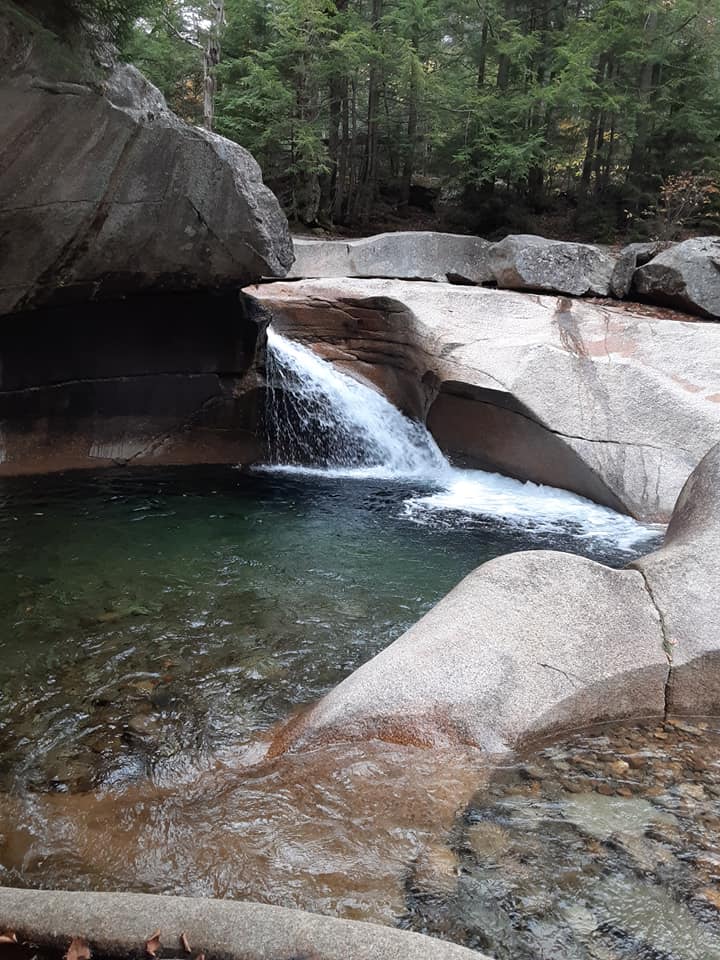
One trip was good, but why not make a return visit? Summer of 2014 saw our return to Franconia Notch and White Mountain National Forest, this time with a family dog in tow. Sadly, the pooch is no longer with us, but it was an absolute pleasure to take her to another part of the country, and also great to be in a family and pet friendly environment. Franconia Notch ended up also serving as a pre-honeymoon destination in 2015, and every year since then, around the time of late summer and early autumn, we find ourselves once again enjoying this location. Our pup has also been able to enjoy the Basin and the forest since adopting her in 2019.
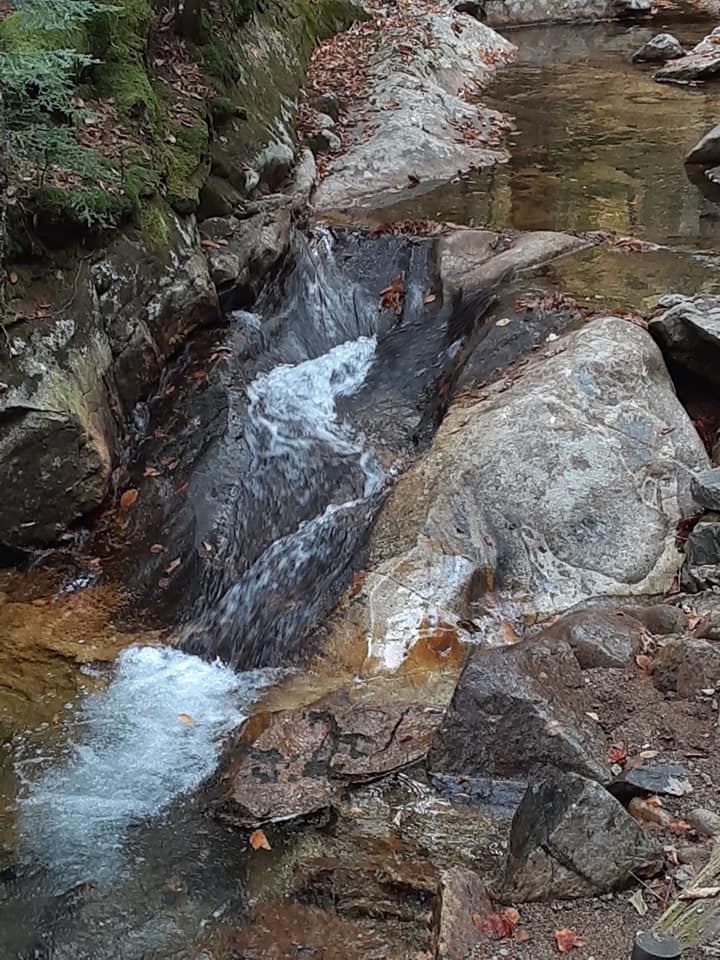
The next time you’re in northern New England, why not give Franconia Notch and the White Mountain National Forest a try? And who knows, maybe it will become a special location for you on your travels. All you have to do is follow your internal compass.
WRITTEN May 05, 2021 at 02:00 PM
TAGS: before the rv, new hampshire, maine
SHARE: Facebook Twitter Email
RV Essentials: Kitchen Needs
There are many essential items we will need for RV living, several being in the kitchen. We’re going to go in depth about what items we will bring, and what we think we will need on this journey of full-time RVing. We’ll go over each item we are bringing, and what purposes they have. With being full-time, we have to make sure we have equipment that serves multiple functions.
Instant Pot
The Instant Pot can do 7 functions in one appliance. We can make rice, pressure cook, sautée, stew, and other functions. We have made curry, short ribs, rice, and other stuff in it. It takes the place of the slow cooker.
Nu-Wave
The Nu-Wave is an induction hot plate which heats and cooks foods evenly. It is small and easy to store. We have pans that work on electric, gas, and induction, so this way we don't carry different sets of pots and pans. It also helps if we run out of propane to use on the grill, but still have electrical power.
Magic Bullet
This tiny magic blender works wonders. It is multi-purpose, which is a number one priority while RVing full-time. We love making milkshakes and banana smoothies. We also can make different sauces, ice cold mixed drinks, and even use it as a food processor.
Immersion Blender
The blender is good for blending hot soups or homemade red sauces. The attachments include a whisk which is great for whipped creams, pancake batter, or cake mixes. Also a small food processor that can chop onions, garlic, and even some soft spices and herbs.
Of course, there are certain utensils that are a must-have. We will definitely have measuring cups, some mixing bowls, cast iron pans, and also the grill!
If you have any comments or questions leave them below. Always remember to follow your internal compass!
WRITTEN May 04, 2021 at 07:34 PM
TAGS: rv living, equipment
SHARE: Facebook Twitter Email
Traveling with your Fur Baby
RV living or camping with a pup can be difficult sometimes. In this article, we will give you some helpful hints and tricks that have been successful for us. Even the pup needs to be comfortable when it comes to traveling and sleeping.
Our pup is spoiled, but also what they call an elderly dog. If you meet her, you wouldn't even realize how old she is. She also has separation anxiety, which gets worse when we start to travel. She needs to be right next to us, which used to pose a problem when we had the Trailblazer. She is six years old, and we knew that it would be easier if she could be next to us. That problem was fixed when we purchased our truck. A bench seat works like a charm. When we took our first long trip in the truck, she did fabulous. No CBD chews were needed. She fell right asleep before we hit the second block. Yes, that is right, we use CBD chews for her. We try to be all natural with our pup.
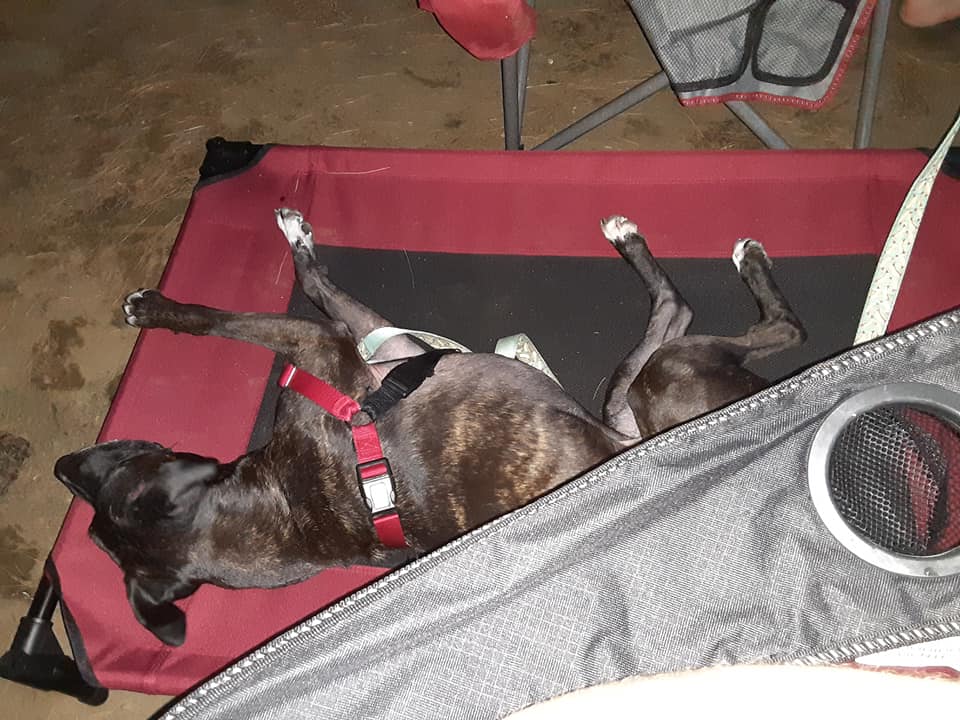
Making the pup comfortable in an RV or tent will be quite different. When we had the tent, we needed to make sure that she couldn't escape out of it. We still made sure she was comfortable. We bought her a bed that is raised off the ground so she wasn't sleeping on a hard surface. Face it, no one wants to sleep on a hard surface, so why treat your pup any different? Now she will have her own bed, which is the couch. Of course, she will still have her raised bed for chilling at the campsite. Make sure they have their all time favorite toy. She has a dragon. She has had it for two years and hasn't wrecked it. We take it everywhere with us. It keeps her calm, and of course she plays with it, which keeps her occupied and out of trouble.
We make sure we carry two different foods for her. We carry her standard dry food, which is a limited ingredient diet food. She has massive allergies. Then, we also have soft food that has actual chunks of meat and veggies with us. Without soft food, we have noticed she will go days without eating if we let her. So that soft food is there for when we first arrive. Remember to have fresh water for them, and here is a hint: DO NOT let them drink out of the river, or any body of water, especially if they are not used to it. They could get sick, which is something you do not want to have to worry about.
Have your vet's number on file, and also the closest emergency vet's number. Our pup has some health issues, so I always make sure to know where the closest emergency vet is. You might be thinking, “Wow, she treats her pup like a child.” Well, she is like a child. She depends on us as a family to take care of her needs, whether it is us making sure her nutritional needs are met, or making sure that her health needs are met.
The other big thing to think about, when taking the pup or any pet to a campground, is making the reservations. Make sure 100 percent that they take the type of pet you have. Some campgrounds only allow dogs and cats, but not exotic pets, like birds or something along those lines. The other piece is making sure that they take your pup's breed. We as a family unit have to be careful with where we book, and make sure we are looking in the pet section of the policies. Our pup's breed is widely subjected to discrimination, so while looking at campgrounds, we need to make sure we really read the fine print.
Hopefully this article will help you and those fur babies. Remember to follow that internal compass!
WRITTEN May 03, 2021 at 12:00 PM
TAGS: rv living, pup
SHARE: Facebook Twitter Email
Our Equipment! Part 1
We have acquired the soul of our RV adventure!
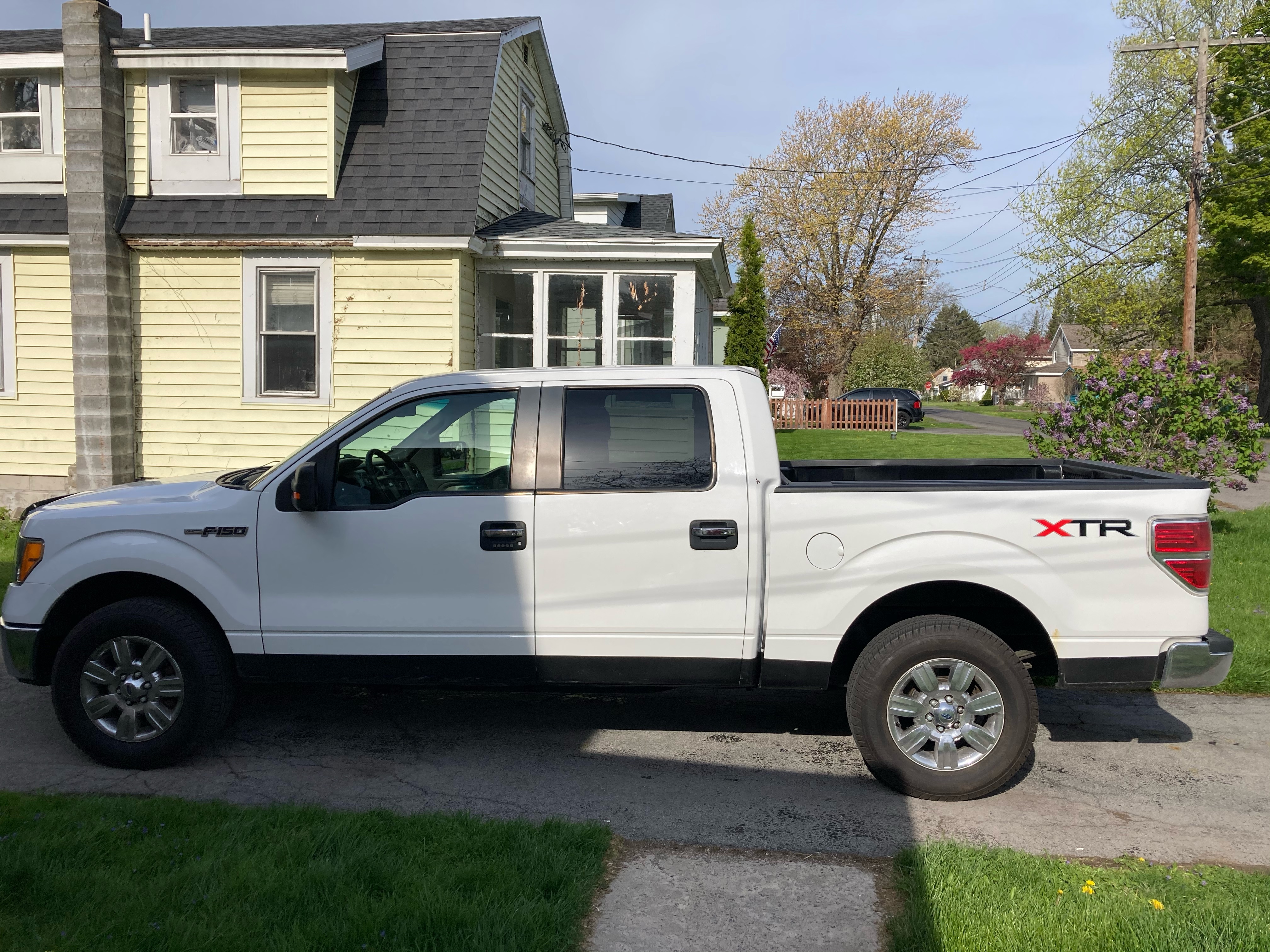
Stay tuned for more on our travels, and remember to Follow Your Internal Compass.
WRITTEN May 02, 2021 at 06:30 PM
TAGS: rv living, equipment
SHARE: Facebook Twitter Email
Freedom Rolling Q&A
From time to time, we get questions about our RV adventure. Today, we'll be giving our answer to a few of those inquiries, and we'll be including more Q&A sessions from time to time.
- What made you guys decide to leave it all behind?
Living on the road is something we've had in the works since we got married, since road trips have been an integral part of our relationship. We were at an important crossroads in our lives a few years ago, deciding whether we would buy a house or live on the road. Sadly, career was viewed as important at the time, and job obligations required us to stay where we were, with a second job acquired to build up savings after buying the house. With neither of us having job obligations for our own reasons, we figure this is the best time to try something new.
- How will you get mail, packages, or anything important?
With most business affairs taking place online these days, a large chunk of the paper trail has been replaced. However, for the times something physical is needed, we'll be using a mail service. For full-time RVers, this also serves as the official domicile address for tax and registration purposes, and once we're comfortable with the lifestyle, we'll dive in as well. The service sends pictures of the mail and packages, and gives you the option to have it sent where you're either staying seasonally, or even a trusted friend or family member.
- If and when you have kids, how will you adjust and educate them?
Living with children on the road will have similar challenges that living with them at home have. As for educating them, they will be primarily home schooled to learn "the three R's". The good news is, on the road, hands-on education is much more practical, and they would have a much better chance at applying the knowledge they gain. The National Park Service also helps greatly with educational opportunities through their "Junior Ranger" program, of which we'd take full advantage. It is our hope that they will also have social interactions either with kids also camping where we will be, or even some locals in the area.
We'll have more questions and answers in the future, but until next time, remember to Follow Your Internal Compass.
WRITTEN Apr 29, 2021 at 06:00 PM
TAGS: qna
SHARE: Facebook Twitter Email
Before the RV: Road Trips and Building a Relationship
It takes a very special relationship to live on the road. At the time we first met each other, when she says, “I love to travel on the road but hate to be behind the wheel”, and he says, “I also love to travel on the road and I like to drive”, you know it’s going to be a good match. However, there’s much more to thriving on the road together than just desire.
Our first road trip came in October of 2013. Originally, we wanted to visit some family, but they weren’t available. We still had a few days together, so why not just go forward with the road trip? Our first major trip covered 11 states and nearly 2,100 miles over the course of 3 days. Although we enjoyed each other’s company on the road, one of the things we learned was that an aggressive driving schedule, limited stops, exclusive car camping in rainy weather, and semi-undesirable provisions wasn’t going to work. One thing to always keep in mind, though, is to not get discouraged. Couples are always going to have some sort of disagreement, and you have to sometimes find what doesn’t work in order to figure out what does.
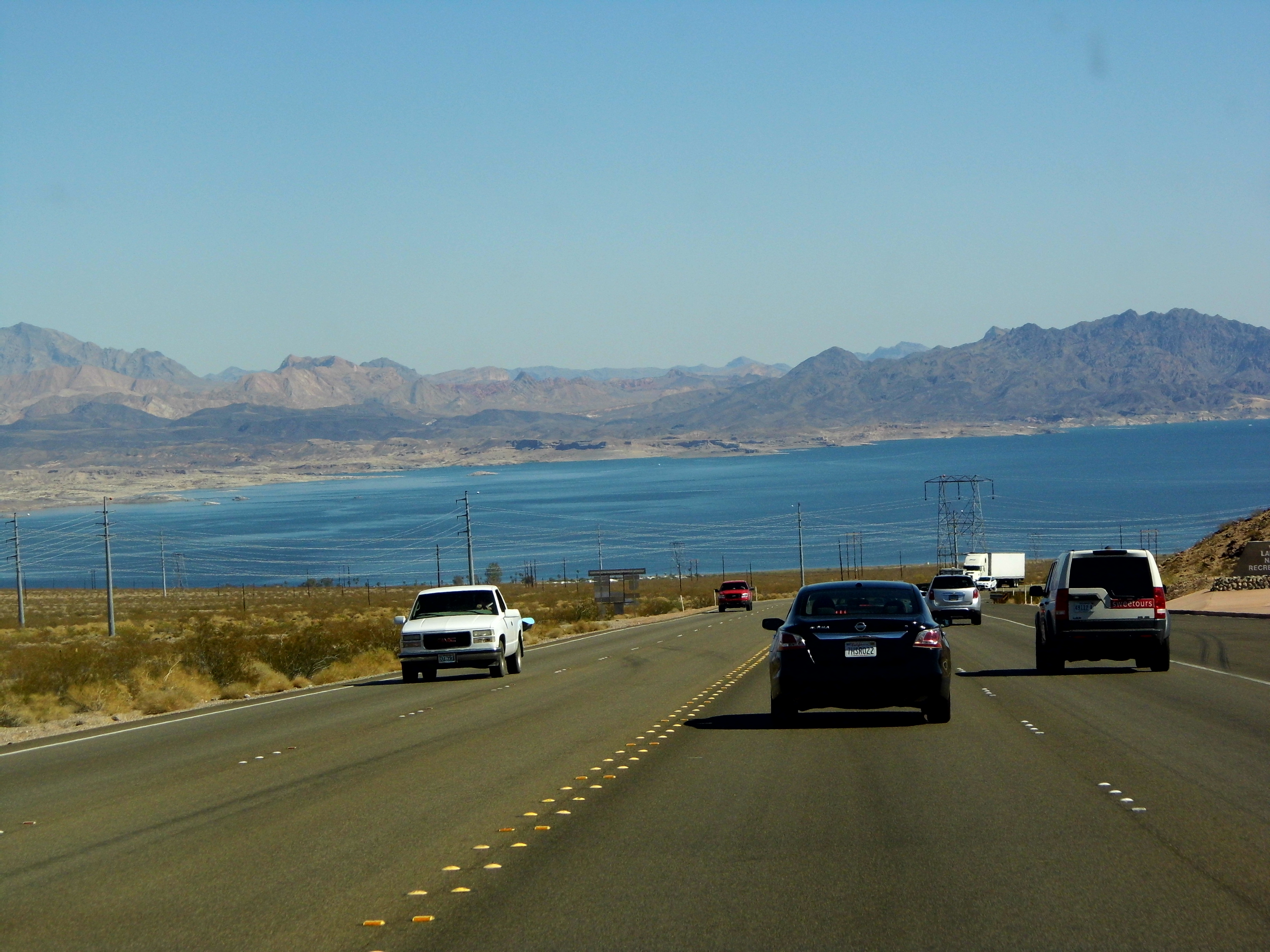
Fast forward through dating, engagement, a wedding, and come 2015, we reach our next major road trip: Honeymoon in Vegas. Two weeks, 20 states, 5,400 miles, and nothing but love and the open road. This one involved a departure from our typical “camping” excursions, as we found ourselves renting motel rooms. It’s a special occasion, and the car camping wasn’t all that good, so let’s try the other extreme. The trip was packed with fun and excitement, including rain in the desert, a tornado forming nearby in the Midwest, and learning about how to adjust our bodies to both different time zones and altitude. We did learn that although the accommodations were nicer, camping was going to be more economical.
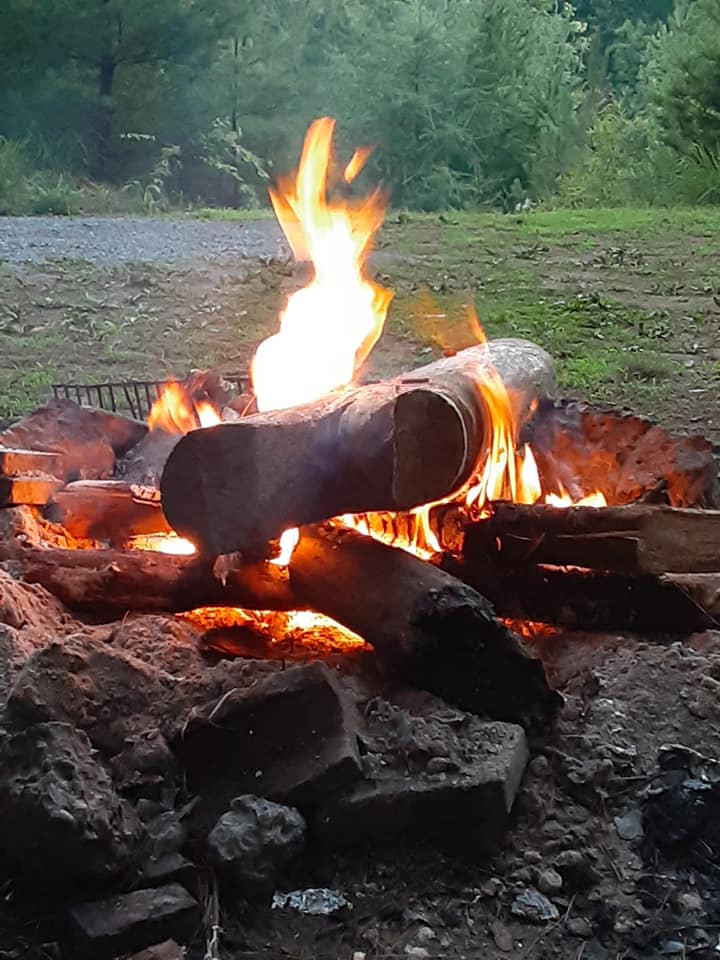
The year 2016 turned out to be a busy one in terms of road trips. First up was in June. This time, the family visits happened, but we wanted to get a few more states under our belts, so we decided to extend it. The trip became five days, 13 states, and nearly 3,000 miles. This trip was a bit of a milestone, in that it began our tent camping experiences. And no better way to start it than with a torrential downpour in the Louisiana bayou! With a knowledgeable wife when it comes to camping, though, we turned out just fine. Always make sure, when developing any sort of relationship, whether platonic or romantic, that the combined whole is greater than the sum of the parts. While there, we also were able to get to our first major sea, the Gulf of Mexico. Certainly a great place to visit if you get the chance.
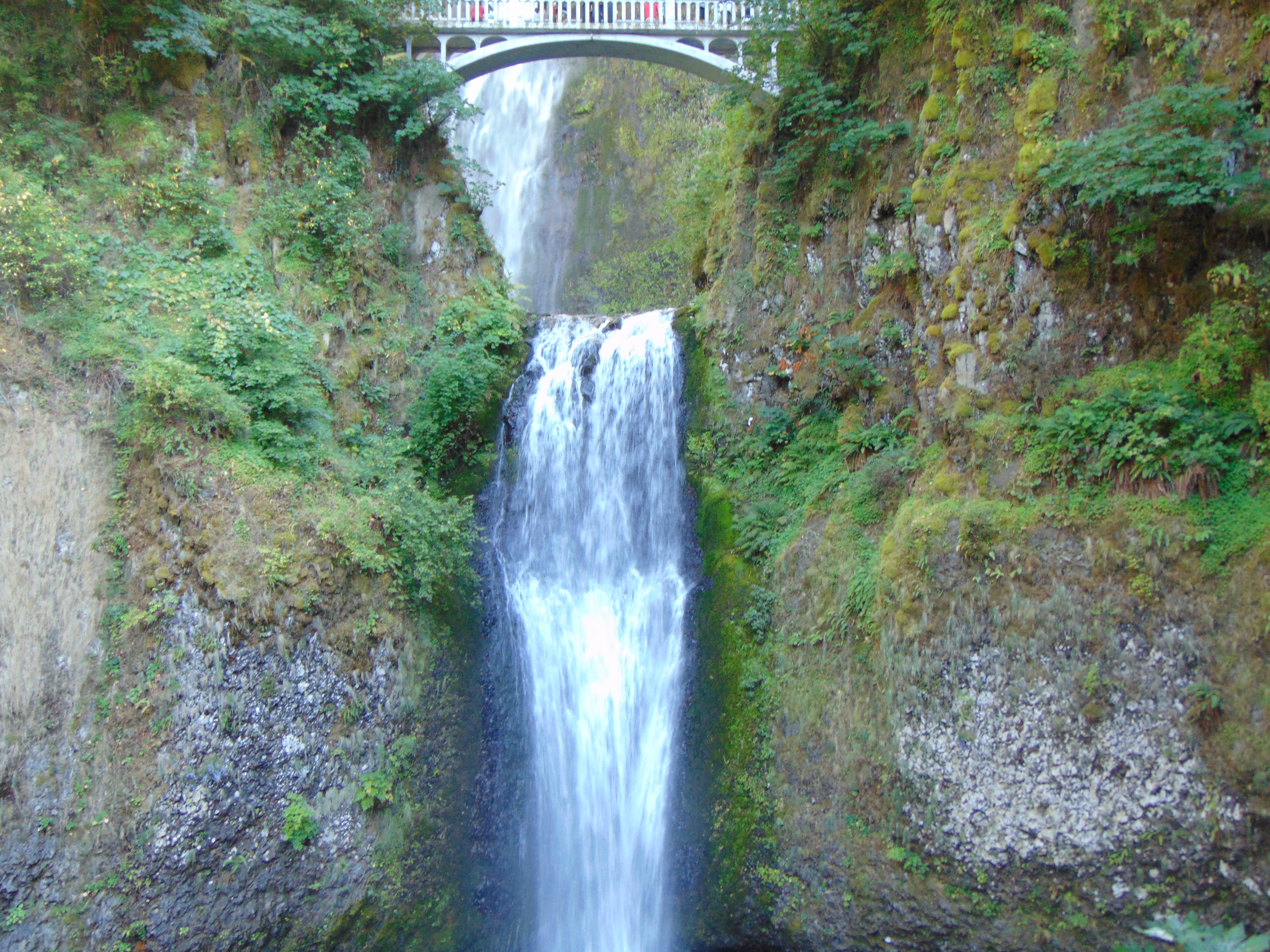
No rest for the weary, though, as August brings another major road trip. Two weeks, 14 states, and over 6,500 miles! It was our first chance to visit the Columbia River Valley and the Pacific Northwest. And wouldn’t you know, with the reputation Seattle gets for their weather, it was sunny! This, however, is where we got our camping routine down to a science. Tent camping at the destination, and car camping on the way to and fro. We’re feeling like old seasoned pros. In addition to the valley, we were also able to experience Mt. St. Helens, driving around the impressive Mt. Rainier, and even getting to our second major sea, the Pacific Ocean.
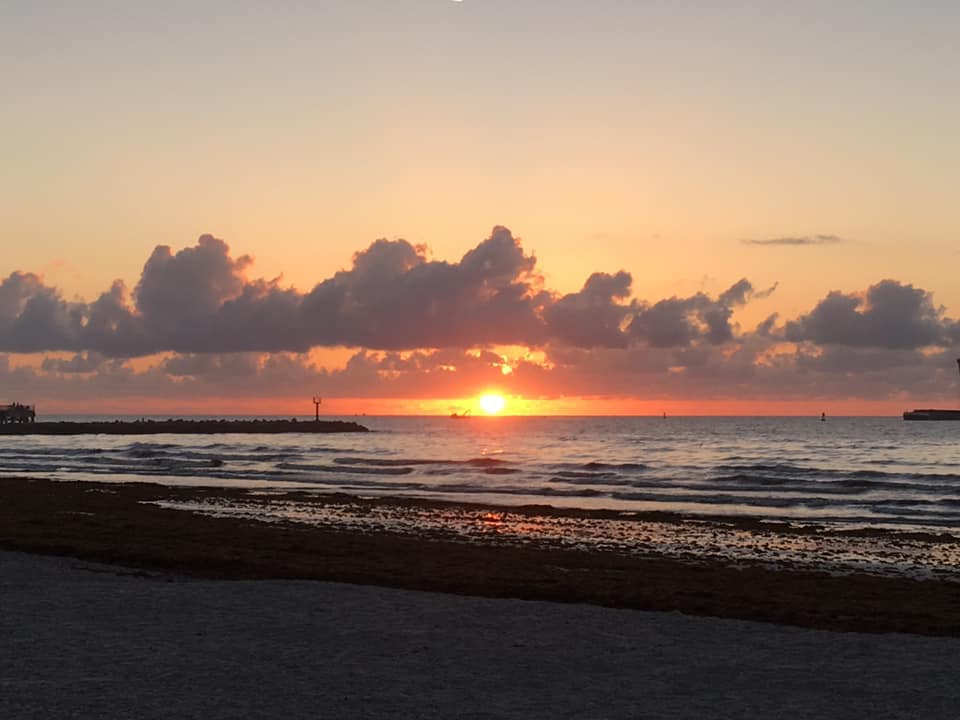
Tack on a few day trips, another long one to the Blue Ridge Parkway and the Space Coast in Florida, some semi-local tent camping excursions, and with no major fights, we’re ready to make our RV adventure happen! We look forward to you joining us, whether it’s in person, on our website and social media, or merely in spirit. And always remember: Follow Your Internal Compass.